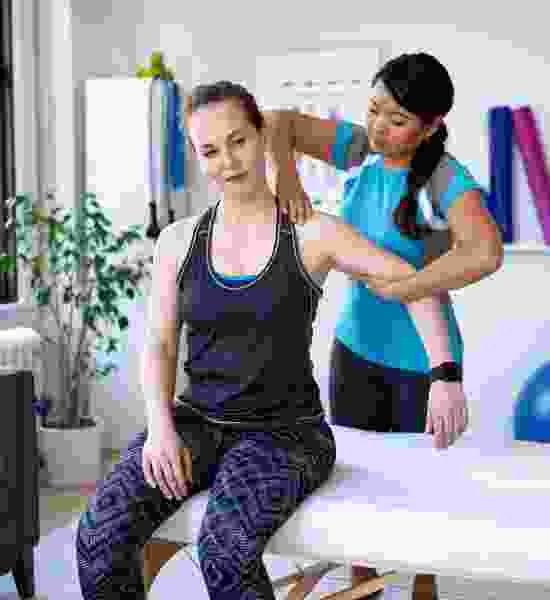
Beneath the surface of a seemingly simple spine lies a complex dance of curves and twists, shaping not just posture but the very essence of movement. Scoliosis, often whispered about in medical conversations, is more than just a spinal condition—it is a story etched in bone and muscle, one that unfolds uniquely in each individual. In “Unraveling Scoliosis: Understanding the Curves Within,” we embark on a journey beyond the X-rays and symptoms, exploring the intricate nature of this enigmatic curvature and what it reveals about resilience, adaptation, and the human form itself.
Understanding Scoliosis Anatomy and Its Impact on the Spine
At the core of this spinal condition lies a complex interplay of anatomical deviations that disrupt the natural alignment of the vertebral column. Unlike a healthy spine that features gentle, symmetrical curves allowing for optimal balance and movement, the spine affected by this condition twists and bends in unpredictable ways, creating an abnormal lateral curvature. This alteration places uneven pressure on the spinal discs and surrounding muscles, often leading to discomfort, restricted mobility, and postural imbalances. Key anatomical features involved include the vertebrae, intervertebral discs, ligaments, and the intricate network of spinal nerves that may become compromised due to the shifting skeletal framework.
Understanding these anatomical changes helps us appreciate the diverse impact on the body, which can vary significantly depending on the severity and location of the curve. Below is a concise overview of typical manifestations when different spine regions are affected:
- Cervical region: Neck pain, reduced head mobility.
- Thoracic region: Rib cage distortion, potential breathing challenges.
- Lumbar region: Lower back pain, altered hip alignment.
| Spine Region | Common Effects | Potential Complications |
|---|---|---|
| Cervical | Neck stiffness | Nerve compression |
| Thoracic | Chest asymmetry | Respiratory issues |
| Lumbar | Uneven hips | Chronic pain |
Common Causes and Risk Factors Behind Spinal Curvature
Spinal curvature can emerge from a variety of origins, often intertwining genetic and environmental threads. Among the most recognized culprits is idiopathic scoliosis, where the exact cause remains a mystery despite extensive research. This type seems to quietly develop during adolescence, predominantly affecting girls more than boys. Meanwhile, congenital factors, such as vertebral malformations present at birth, lay the foundation for spinal twists that progressively intensify if left unchecked. Neuromuscular conditions like cerebral palsy or muscular dystrophy also play a significant role, as muscle imbalances and weakness can distort the spine’s natural alignment over time.
Understanding the risk factors helps illuminate why some individuals are more vulnerable to spinal curvature than others. These include:
- Family history: A genetic predisposition to spinal conditions.
- Rapid growth spurts: Accelerated changes during puberty can exacerbate curvature.
- Gender: Females show a higher likelihood of progression in scoliosis cases.
- Neuromuscular disorders: Affect muscle control and spinal support.
| Cause | Description |
|---|---|
| Idiopathic | Unknown origin, mostly in adolescents |
| Congenital | Present from birth due to vertebral defects |
| Neuromuscular | Linked to muscle and nerve disorders |
Recognizing Early Signs and Symptoms of Scoliosis
Spotting the subtle twists and turns of scoliosis early can make a world of difference. Often, these signs sneak in quietly—misaligned shoulders, an uneven waist, or one hip sitting higher than the other. Parents and caregivers should keep an eye out for complaints of back pain or fatigue, especially after prolonged activity. Sometimes, the body’s natural symmetry begins to shift, with the rib cage protruding more on one side when bending forward, signaling that the spine might be curving where it shouldn’t.
Recognizing symptoms doesn’t always require medical tools; awareness and observation are your first line of defense. Here’s what to watch for:
- Uneven shoulder height—one shoulder appears higher.
- Prominent shoulder blade—a blade sticks out more on one side.
- Tilted torso—body leans slightly to one side.
- Clothes fitting strangely—shirts or pants hanging unevenly.
| Symptom | Possible Indicator |
|---|---|
| Shoulder Disparity | Spinal lateral deviation |
| Rib Cage Protrusion | Rotation of vertebrae |
| Uneven Waist | Spinal curve forming |
| Lean to One Side | Muscular imbalance |
Diagnostic Techniques and Imaging Tools Explained
Understanding scoliosis begins with delving into the diagnostic techniques that unveil the subtle and not-so-subtle curves of the spine. Physicians often start with a physical examination to observe any visible asymmetry or unevenness in posture. This may include the Adam’s Forward Bend Test, where the patient bends forward to make spinal distortions more apparent. Beyond the physical checks, imaging tools become essential to confirm the diagnosis and measure the degree of curvature with precision. Among these tools, X-rays hold a primary spot, providing a clear two-dimensional snapshot of the vertebral alignment. They allow doctors to quantify curvature through the Cobb angle, guiding treatment decisions.
Modern technology further enriches scoliosis evaluation through advanced tools such as
- MRI Scans: Offering detailed images of spinal cord and soft tissues, useful for detecting underlying conditions.
- CT Scans: Creating cross-sectional views that help in complex cases where bone structure detail is critical.
- Surface Topography: A radiation-free method using light to map spinal deformities externally.
Together, these technologies compose a multidimensional picture of the spine’s architecture. Below is a simplified guide to the roles of these tools in scoliosis diagnosis:
| Diagnostic Tool | Primary Purpose | Advantages |
|---|---|---|
| X-ray | Measure spinal curvature | Widely available, cost-effective |
| MRI | Soft tissue & spinal cord evaluation | Non-invasive, detailed tissue contrast |
| CT Scan | Bone structure visualization | High-resolution, 3D imaging |
| Surface Topography | External spine shape mapping | Radiation-free, safe for repeated use |
Treatment Options: From Observation to Surgical Intervention
When it comes to managing scoliosis, the path can vary greatly depending on the severity of the curve and the patient’s age. Observation is often the first step for mild curves, especially in children who are still growing. Regular check-ups monitor any progression without immediate intervention, allowing the spine to develop naturally as much as possible. For moderate cases, bracing is a common non-invasive approach designed to halt further curvature, providing external support to the spine. Bracing doesn’t reverse scoliosis but can be highly effective when prescribed appropriately and worn as recommended.
When curves become severe or continue progressing despite conservative methods, surgical options enter the picture. Modern techniques focus on realigning and stabilizing the spine with advanced instrumentation. Procedures range from traditional spinal fusion to innovative, growth-friendly devices that adapt with pediatric patients. Below is a simple overview of treatments and their typical applications:
| Treatment | Best For | Goal |
|---|---|---|
| Observation | Mild curves in growing children | Monitor progression |
| Bracing | Moderate curves, growth ongoing | Prevent worsening |
| Surgical Intervention | Severe curves or failed bracing | Correct & stabilize |
Rehabilitation Strategies and Lifestyle Modifications for Better Outcomes
Embracing a holistic approach to scoliosis management often means blending targeted rehabilitation techniques with mindful lifestyle changes. Physical therapy tailored to one’s unique curvature can enhance spinal flexibility, strengthen core muscles, and alleviate discomfort. Daily exercises focusing on balance and posture not only support spinal alignment but also foster a sense of bodily awareness crucial for long-term wellbeing. Complementing these efforts, patients often find that incorporating ergonomic adjustments at home and work—such as supportive seating and regular movement breaks—plays a pivotal role in minimizing strain and promoting spinal health.
Practical lifestyle adaptations empower those affected to take charge of their journey with scoliosis. Nutritional strategies aimed at maintaining bone density, stress management techniques, and consistent aerobic activity create an environment conducive to healing and resilience. To provide clarity, here’s a quick snapshot of key rehabilitation components paired with lifestyle tips:
| Rehabilitation Focus | Lifestyle Modification |
|---|---|
| Core strengthening exercises | Daily posture mindfulness |
| Spinal mobilization techniques | Ergonomic workspace setup |
| Breathing exercises | Stress reduction & relaxation |
| Balance training | Regular low-impact aerobic activity |
Empowering Patients: Tips for Managing Scoliosis Daily
Living with scoliosis can be a daily challenge, but adopting mindful habits can make a world of difference. Start by incorporating gentle stretches and strengthening exercises tailored to your needs, which help in maintaining flexibility and reducing discomfort. Consistency is key, but listening to your body and adjusting activity levels is equally important. Ergonomic adjustments—such as choosing chairs that support proper spinal alignment or using posture-friendly backpacks—can alleviate strain throughout the day.
Nutrition and mental wellness also play vital roles. A balanced diet rich in calcium and vitamin D supports bone health, while mindfulness practices assist in managing any anxiety or stress related to scoliosis. For convenience, here’s a simple cheat sheet to integrate into your daily routine:
| Tip | Benefit |
|---|---|
| Morning spinal stretches | Enhances mobility |
| Strengthening core exercises | Improves posture support |
| Ergonomic seating | Reduces spinal stress |
| Balanced calcium-rich meals | Supports bone density |
| Mindfulness or meditation | Encourages mental calm |
The Conclusion
As we close the pages on our exploration of scoliosis, it becomes clear that these curves tell a story far beyond the spine’s anatomy. They reveal the resilience within each individual facing this condition, a journey intertwined with challenges and hope. By understanding scoliosis not just as a physical twist, but as a complex narrative of human adaptation, we open doors to empathy, innovation, and support. In unwrapping the mystery of the curves within, we move closer to a future where every step taken is steadied by knowledge and compassion.