The human spine, a marvel of natural engineering, not only supports our bodies but also shapes the way we move, stand, and even breathe. Yet, for millions worldwide, this vital structure can deviate from its natural alignment, giving rise to a condition known as scoliosis. Far from simply a physical curvature, scoliosis weaves a complex narrative of challenges and resilience—impacting posture, mobility, and often, the very quality of life. In this exploration, we delve into the intricacies of scoliosis, unraveling its causes, manifestations, and the profound effects it has on those who live with it. Understanding this bending of the spine is more than a medical inquiry; it is a journey into the human body’s adaptability and the ongoing quest for balance.
The Biology Behind the Curve Understanding Scoliosis Development and Progression
At the heart of scoliosis lies a complex interplay of genetic and environmental factors that influence the spine’s growth during childhood and adolescence. Unlike a simple mechanical bend, the condition involves asymmetrical growth of the vertebrae and surrounding tissues, often driven by the uneven distribution of molecular signals that regulate bone remodeling and muscle tension. Researchers have identified that anomalies in bony development, such as uneven vertebral growth plates, coupled with subtle neuromuscular imbalances, can trigger the initiation of the spinal curve. These biological processes are influenced by genes responsible for cartilage formation, extracellular matrix composition, and cell adhesion, highlighting an intricate biological choreography behind the spine’s unexpected bend.
The progression of scoliosis is similarly dynamic, marked by a feedback loop where mechanical stress amplifies cellular responses, creating a self-perpetuating cycle of deformity. As the curve develops, the spine experiences abnormal loading patterns that alter the growth rate along the concave and convex sides of the curve. This can be visualized through the growth modulation chart below, which outlines typical changes in vertebral height and angulation during scoliotic progression:
| Parameter | Normal Spine | Scoliotic Spine |
|---|---|---|
| Vertebral Height (Concave Side) | Uniform growth | Reduced growth |
| Vertebral Height (Convex Side) | Uniform growth | Increased growth |
| Spinal Angulation | Straight | Curved, progressive |
| Neuromuscular Tension | Balanced | Asymmetric |
Understanding these biological underpinnings helps frame why early detection and intervention matter. Targeting the molecular and mechanical factors simultaneously can halt or reduce curve progression, offering a promising approach that goes beyond the traditional focus on external bracing or surgery. This biological insight fuels innovation in personalized scoliosis treatments, making each intervention as unique as the spinal curves they aim to correct.
Recognizing the Signs Navigating Early Detection and Diagnosis
Detecting scoliosis early can make all the difference in managing its progression effectively. While the curvature may start subtly, there are several signs to watch for that could indicate the beginning of spinal misalignment. These include uneven shoulders, a protruding shoulder blade, or an asymmetrical waistline. Often, affected individuals might notice one hip appearing higher than the other, or clothing that hangs unevenly. Paying close attention to such cues, especially during rapid growth periods like adolescence, is crucial for timely intervention.
Healthcare professionals use a combination of physical evaluations and diagnostic tools to confirm the presence and severity of scoliosis. Initial screening might involve the Adams Forward Bend Test, where observing the back from different angles reveals hidden curvatures. If warranted, imaging techniques like X-rays provide a clear view of the spine’s structure. The table below summarizes common early indicators alongside typical diagnostic approaches:
| Early Indicators | Diagnostic Method |
|---|---|
| Uneven shoulders | Visual assessment |
| Prominent shoulder blade | Adams Forward Bend Test |
| Asymmetrical waist | Physical examination |
| Uneven hips | X-ray imaging |
Recognizing these signals early empowers both patients and caregivers to engage with healthcare providers promptly, opening the door to personalized treatment options and monitoring techniques designed to maintain spinal health over time.
Treatment Pathways Exploring Medical and Therapeutic Options
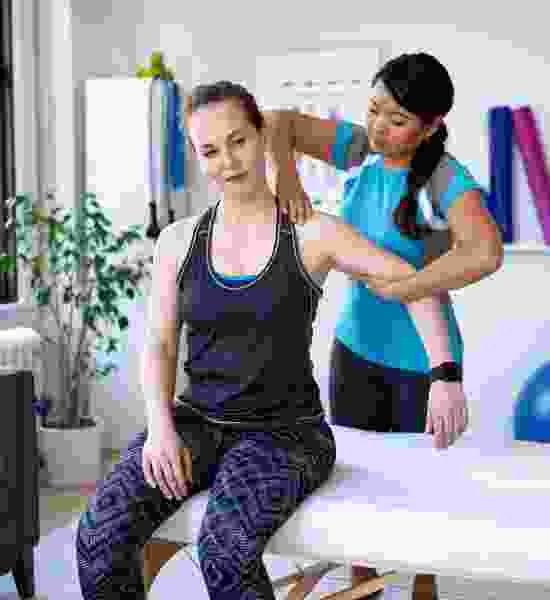
When it comes to managing scoliosis, treatment options depend heavily on the severity and progression of the spinal curve, as well as the age and overall health of the patient. In mild cases, observation and regular monitoring through periodic X-rays can be sufficient. For those needing intervention, bracing remains a non-invasive option aimed at halting curvature progression, especially in growing children and adolescents. The brace type and duration vary, but consistency is crucial for effectiveness. Physical therapy complements bracing by focusing on exercises that improve spinal mobility, strengthen core muscles, and encourage better posture. These methods aim not only to control the curve but also to enhance daily function and reduce discomfort.
Surgical options are considered when curves become severe or rapidly worsening, or if conservative treatments fail to provide relief. Spinal fusion surgery is the most common procedure and involves joining vertebrae to reduce curvature and stabilize the spine. Recent advances have introduced less invasive techniques, including growing rods and vertebral body tethering, designed to allow continued spinal growth in children while controlling deformity. Below is a simple comparison of key treatment pathways to give a clear snapshot of what each entails:
| Option | Purpose | Ideal Candidates | Typical Outcome |
|---|---|---|---|
| Observation | Monitor progression | Mild curve, slow progression | Maintain current curve |
| Bracing | Prevent progression | Moderate curve, growing patients | Halt or slow curve growth |
| Physical Therapy | Improve strength & flexibility | All stages as supportive care | Better function and pain relief |
| Surgery | Correct and stabilize curve | Severe or progressive curves | Significant curve reduction |
Living with Scoliosis Practical Tips for Managing Daily Life and Wellbeing
Balancing daily activities with scoliosis requires a blend of mindfulness and strategy. Small adjustments can lead to significant improvements in comfort and posture. Incorporate ergonomic furniture into your workspace to support your spine—think chairs with lumbar support and desks at proper heights. When lifting objects, always bend from your knees rather than your back to minimize strain. Embedding gentle stretches and low-impact exercises like swimming or yoga into your routine can enhance flexibility and reduce discomfort, helping your body adapt gracefully over time.
Building a support system around you is equally important for wellbeing. Cultivate habits that nurture both body and mind:
- Maintain a consistent sleep schedule with a supportive mattress and pillows
- Practice mindful breathing or meditation to alleviate stress related to chronic pain
- Seek guidance from physical therapists for personalized exercise plans
- Use posture reminders or apps that encourage regular movement breaks
| Tip | Benefit |
|---|---|
| Ergonomic Chair | Reduces back strain during long sitting periods |
| Daily Stretching | Improves spinal flexibility and reduces stiffness |
| Mindfulness Practice | Decreases pain perception and boosts mental resilience |
| Physical Therapy | Tailors exercises for specific scoliosis curves and strengths |
Insights and Conclusions
As we close the chapter on understanding scoliosis, we recognize that the curve of the spine is more than a physical twist—it is a story of resilience, adaptation, and hope. By shedding light on this complex condition, we empower those affected and invite greater awareness into our communities. In bending the spine, scoliosis challenges the body’s structure, but it also curves the narrative toward a deeper appreciation of human strength and the ongoing quest for better care and understanding.